

How To Clean Clothes From A Flood
- Home
- Cleaning Tips
- Clean Home
- Cleaning After a Flood
Cleaning and disinfecting surfaces in your home after flooding is a major undertaking. It is important that it be done right to prevent further damage to the property and help prevent illness. Choosing and using the right cleaning product for the job is critical. Keeping cleaning products in a secure location after a flood and during cleaning is crucial.
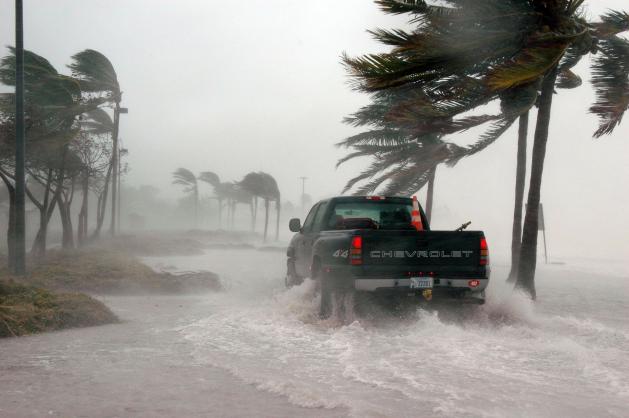
From torrential downpours to broken pipes to leaky roofs, when water invades your home, the damage can be swift and brutal. Mold growth and food contamination are two major concerns.Your very first step should be to pick up the phone and call your insurance agent and report the water damage. Best-case scenario is to do this within 24 hours. Your insurance broker should be able to recommend a contractor with experience in repairs and mold removal. Your house and furnishings are less likely to grow mold if they are dried within 48 hours, so prompt attention is imperative.
Severe water damage definitely requires the help of outside specialists. And some difficult decisions may have to be made as to which items can be salvaged and cleaned and which ones will need to be discarded.
Floodwater may carry silt, raw sewage, oil or chemical wastes that can cause a whole range of bacterial, viral and/or parasitic diseases. That's why proper clean-up methods are critical, requiring disinfecting, not just cleaning. Check with local authorities to determine how to dispose of household items that have been contaminated by sewage or that have been wet for an extended period of time. Some localities may have regulations and specific procedures for bagging, tagging and disposing of contaminated items. Consider all water unsafe until you have checked with your local health department. This includes water used for drinking, cooking and cleaning. Additional resources are available from the EPA, CDC and HUD.
Important Steps in the Clean-up Process
- Take photos of your damage before you begin clean-up.
- Wear protective clothing including long-sleeved shirts, long pants, rubber or plastic gloves and waterproof boots or shoes.
- Take anything that was wet for two days or more outside. These items could have mold growing on them even though you may not see it.
- Throw out any items that absorb water and cannot be cleaned or disinfected (mattresses, carpeting, stuffed animals, etc.).
- Remove and discard items made of cloth if you are unable to wash in hot water.
- Bleach should be used to clean floors, stoves, sinks, certain dishes and countertops. Do not use more than one cup of bleach per gallon of water. Remember to never mix bleach with ammonia or other cleaners.
- Launder your flood-soiled fabrics when it is safe to do so (water is back on and safe to use, electricity is restored, washing machine has been checked for damage, etc.).
Here are some tips for cleaning surfaces and items that have been soiled in a flood:
How To Clean Clothes From A Flood
Source: https://www.cleaninginstitute.org/cleaning-tips/clean-home/cleaning-after-flood-or-emergency
Posted by: whiteknotans.blogspot.com
0 Response to "How To Clean Clothes From A Flood"
Post a Comment